
Acne is one of the most common skin concerns affecting teenagers and adults alike. It can develop due to excess oil production, clogged pores, bacteria, or hormonal changes. Choosing the right treatment depends on the type and severity of your acne. Here are five commonly used acne treatment options.
1. Benzoyl Peroxide
Benzoyl peroxide helps reduce acne-causing bacteria while unclogging pores. It is commonly recommended for mild to moderate inflammatory acne. Common products include:
- ✓Benzolac® 2.5%
- ✓Benzolac® 5%
- ✓PanOxyl®
Best for: * Red pimples * Mild inflammatory acne
2. Adapalene Gel
Adapalene is a topical retinoid that helps prevent clogged pores and supports healthy skin cell turnover. Results often become noticeable after several weeks of consistent use. Common products include:
- ✓Differin® Gel
- ✓Adapalene 0.1% Gel (generic)
Best for: * Blackheads * Whiteheads * Mild to moderate acne
3. Salicylic Acid
Salicylic acid gently exfoliates the skin and helps remove excess oil from pores, making it useful for oily and acne-prone skin. Common products include:
- ✓CeraVe Acne Control Cleanser
- ✓Neutrogena Oil-Free Acne Wash
- ✓COSRX Salicylic Acid Daily Gentle Cleanser
Best for: * Oily skin * Blackheads * Whiteheads
4. Azelaic Acid
Azelaic acid can help improve acne while also reducing post-acne marks and uneven skin tone. It is generally well tolerated by many skin types. Common products include:
- ✓Skinoren® 20% Cream
- ✓Finacea® Gel
Best for: * Mild acne * Acne marks * Sensitive skin
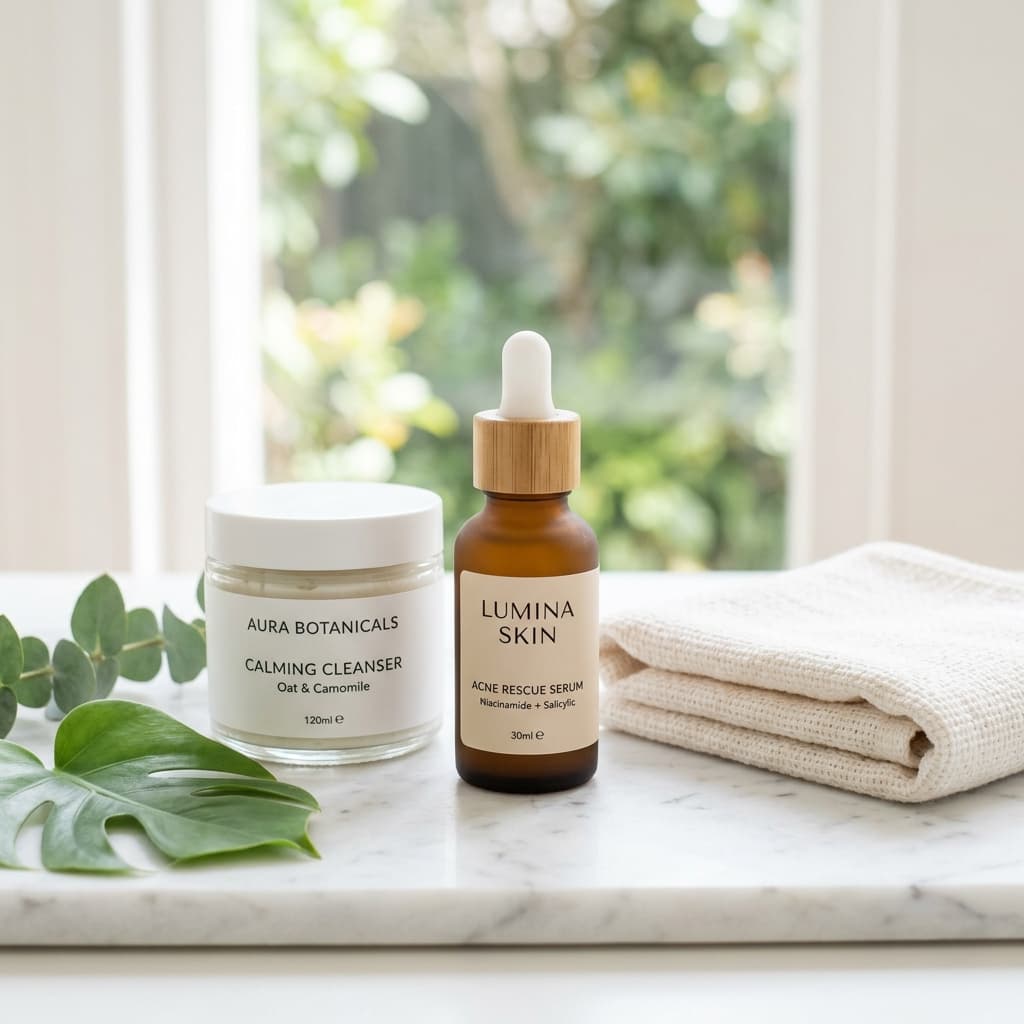
5. Niacinamide Serum
Although niacinamide is not an acne medication, it can help reduce excess oil, calm redness, and strengthen the skin barrier. It is often used alongside other acne treatments. Common products include:
- ✓The Ordinary Niacinamide 10% + Zinc 1%
- ✓Somethinc Niacinamide Serum
- ✓Skintific Niacinamide Serum
Best for: * Oily skin * Redness * Acne-prone skin
Tips for Better Acne Care
Along with using suitable skincare products, these habits may help support healthier skin:
- ✓Wash your face twice daily with a gentle cleanser.
- ✓Avoid picking or squeezing pimples.
- ✓Use a non-comedogenic moisturizer.
- ✓Apply sunscreen every morning.
- ✓Introduce new products gradually to minimize irritation.
When Should You See a Healthcare Professional?
If your acne is severe, painful, leaving scars, or does not improve after several weeks of consistent treatment, it is advisable to seek advice from a qualified healthcare professional. Some cases may require prescription-strength treatments or a personalized skincare plan.